
To begin with, Bali, frequently called the ‘Island of a Thousand Temples’, is a cultural treasure filled with captivating Hindu temples. Therefore, this article offers a detailed guide to the Bali island’s top 10 temples, inviting you to explore their spiritual and architectural wonders.
Prefer reading in Indonesian? Versi Bahasa Indonesia: 10 pura terbaik di Bali.

Table of Contents[Hide][Show]
- The Allure of Hindu Temple Tourism in Bali
- Unveiling Bali Top Temples: Architectural Marvels and Spiritual Sites
- Visiting Bali Top Temples: Etiquette and Tips
- Health and Safety Precautions:
- Cultural Sensitivity and Responsible Tourism:
- Conclusion: Discovering Bali’s Spiritual Heart – The Top 10 Must-Visit Temples
“Bahasa Indonesia: 10 Pura Terbaik di Bali.”
The Allure of Hindu Temple Tourism in Bali
Far more than mere places of worship, Bali’s temples embody a unique fusion of traditional architecture and spirituality. Moreover, they exhibit the island’s aesthetic splendor and its cultural mosaic, offering an immersive experience that draws visitors into the heart of Bali’s spiritual heritage.
For a wider context beyond temples, read our Bali cultural tourism guide.
Unveiling Bali Top Temples: Architectural Marvels and Spiritual Sites
Furthermore, as we delve into the Bali Top Temples guide, each temple’s narrative unfolds, revealing its place in Bali’s cultural and spiritual journey. From those perched majestically upon craggy cliffs to those nestled within lush bamboo groves, this article unveils their mystique, providing insights on accessibility, optimal visiting times, entry fees, and cultural activities available.
This guide uncovers the spiritual and aesthetic marvels of Bali’s revered sanctuaries, sure to enrich your Balinese odyssey. Above all, compiled from tourist preferences, this list guarantees access to Bali’s most extraordinary destinations where natural splendor meets rich tradition.
1. Tanah Lot Temple: Bali’s Cultural and Natural Exemplar
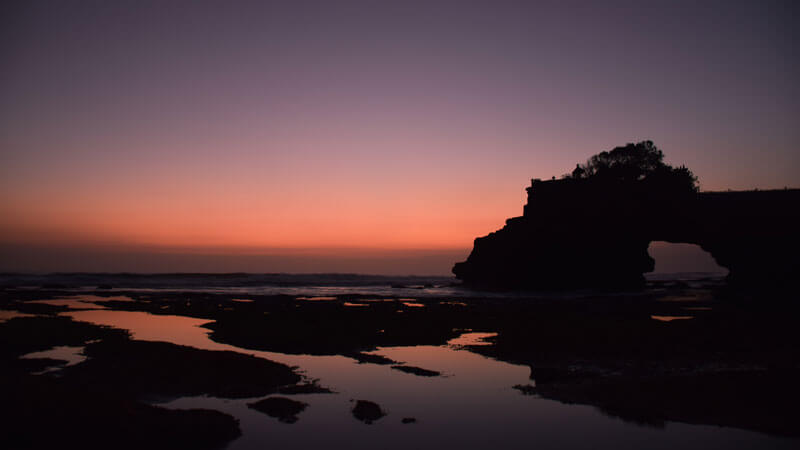
Firstly, perched on a rocky outcrop in Beraban Village, Tabanan Regency, Tanah Lot Temple is a crowning jewel of Bali. Also, its magnificent stance, floating above the waves at high tide, epitomizes the seamless blend of historical significance and Bali’s distinctive natural allure.
For details on tide, sunset timing, tickets, and visitor rules, read our Tanah Lot Temple visitor guide.
Location and Access
- Location: Beraban Village, Tabanan. Open the Tanah Lot Temple location on Google Maps before you plan the route.
- Accessibility: Conveniently reached from popular southern Bali locales such as Canggu, Kerobokan, and Seminyak.
Bali Top Temples Visitation Guide: Best Times for Tanah Lot
- Recommended Time: Evening, particularly between 5:00 PM and 6:30 PM.
- Why: To witness Tanah Lot’s enchanting sunset, transforming the sky into a kaleidoscope of hues against the temple’s dramatic silhouette.
Tourist Activities and Cultural Insights
- To understand the cultural background before visiting, read our Tanah Lot Temple history and myths guide.
- Religious Rites: Engage in or observe mesmerizing religious ceremonies at the appropriate times.
- Culinary and Mementos: Indulge in local culinary delights and discover unique Balinese keepsakes nearby.
Practicalities
- Operating Times: Open from 6:00 AM to 7:00 PM.
- For current ticket notes, check our Tanah Lot Temple entrance fee guide before visiting.
Photographic and Scenic Highlights
Picture-Perfect Spot: Ideal for capturing the temple’s stunning sunset vistas. If sunset is your main priority, compare Tanah Lot with other Bali sunset beach comparisons before choosing your route.
Bali Top Temples and Beyond: Exploring Adjacent Attractions to Tanah Lot
- Tour Suggestions: Pair your visit with Alas Kedaton or Jatiluwih rice terraces to immerse yourself in Bali’s expansive and diverse allure.
In summary, Tanah Lot Temple transcends mere sightseeing, embodying Bali’s cultural and natural splendor and offering a profoundly enriching experience in culture, history, and natural beauty.
2. Luhur Uluwatu Temple: Where Spirituality Meets Natural Majesty on a Cliff
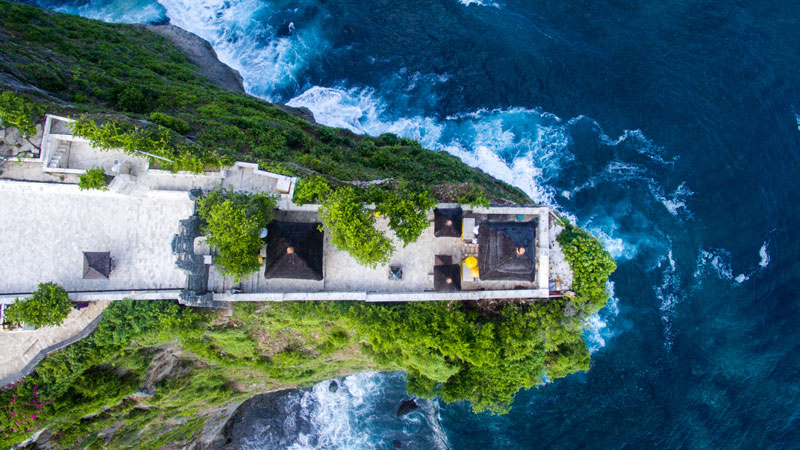
Secondly, soaring on a 70-meter-high cliff overlooking the Indian Ocean, Luhur Uluwatu Temple stands out among Bali’s iconic sanctuaries. More than a holy site, it represents the perfect amalgamation of spirituality and Bali’s breathtaking natural landscape.
Location and Accessibility
- Location: Pecatu. Open the Uluwatu Temple location on Google Maps before arranging transport.
- Access: Easily approachable from famed areas such as Jimbaran and Ungasan.
- Journey: You can pair Uluwatu Temple with nearby Suluban Beach if you want a cliff-and-beach route.
Prime Time for Visitation
- Suggested Time: Afternoon, between 5:00 PM and 6:30 PM.
- Purpose: To capture the awe-inspiring sunset panorama, with the temple providing a splendid backdrop.
Touristic Engagements and Cultural Immersion
- Scenic Wonder: Relish breathtaking ocean views from atop the cliff.
- Kecak Dance: Immerse in the Uluwatu Kecak fire dance, now held in two daily sessions (6:00 PM–7:00 PM and 7:00 PM–8:00 PM). It is one of Bali’s most iconic cultural performances, blending chant, movement, and sunset or nighttime ambiance.
If you plan to watch the show after the temple visit, check the Uluwatu Kecak Dance ticket and schedule guide before choosing a session.
Useful Information
- Hours of Operation: Available from 7:00 AM to 7:00 PM.
- For entrance notes, monkey safety, and visit timing, read our Uluwatu Temple visitor guide.
Bali Top Temples Photographic Journey: Capturing Uluwatu Sunset
Memorable Photography: Ideal for capturing the spellbinding sunset views from the temple.
Additional Attractions
Recommended Itineraries: Augment your visit with trips to Pandawa Beach or Garuda Wisnu Kencana.
After Uluwatu, many travelers continue to Jimbaran Beach for a sunset seafood dinner.
Luhur Uluwatu Temple is a scenic marvel and a spiritual depth portal. Ranking among Bali’s foremost spiritual sites, it promises a tapestry rich in culture, history, and unforgettable natural splendor.
3. Ulun Danu Beratan Temple Bedugul: Where Architecture Meets Nature

Furthermore, Ulun Danu Beratan Temple, Bedugul, affectionately known as the ‘Floating Temple’, captivates with its seemingly aquatic location on Lake Beratan. Encircled by pristine gardens and verdant hills, it exemplifies the harmonious blend of traditional Balinese architecture with the splendor of nature, paying homage to Dewi Danu, the goddess of water.
Location and Accessibility
- Location: Bedugul. Open the Ulun Danu Beratan Temple location on Google Maps before planning the drive.
- Reachable: From Ubud (~45 km).
- Scenic Route: Offers breathtaking mountain vistas.
If you want to combine the temple with nearby mountain attractions, use our Bedugul travel guide.
Ideal Visitation Time
- Optimum Time: Mornings, around 7:30 AM.
- Rationale: The fresh, serene atmosphere provides the perfect setting to experience the temple’s tranquillity.
Cultural Activities and Recreational Pursuits
- Activities: Experience Lake Beratan through boating and other water activities.
- Combined Experience: Melds architectural beauty with natural leisure pursuits.
Useful Insights
- Hours: 7:00 AM – 7:00 PM.
- Amenities: Features picnic spots and eateries, ideal for a relaxing day.
For ticket notes, check the Ulun Danu Beratan entrance fee guide before visiting.
Photographic and Landscape Focus
Emphasis: Capturing the temple’s architectural and natural beauty beyond mere photography.
Synergizing with Other Attractions
- Suggestions: Complement your visit with the Bali Botanical Gardens for a holistic Balinese tour experience.
Ulun Danu Beratan Temple in Bedugul is pivotal among Bali’s top 10 temples, promising a profound and impressive encounter. It is ideal for travelers seeking to experience Bali’s unique allure and beauty.
4. Tirta Empul Temple Tampak Siring: A Spiritual Haven in Bali’s Heartland
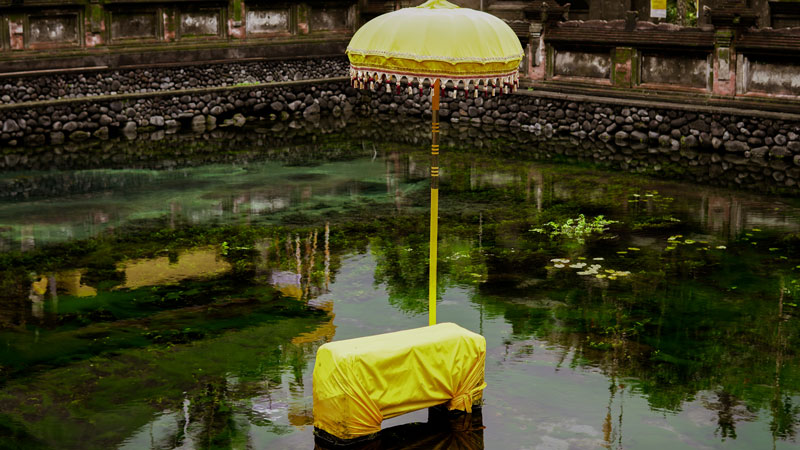
Tirta Empul Temple, Tampak Siring, recognized as the ‘Holy Water Spring’, is a remarkable spiritual landmark in Bali. Renowned for its purification ceremonies, the temple is not only a spiritual retreat but also a symbol of the rich history and traditions of Balinese Hinduism.
Location and Proximity
- Location: Tampaksiring. Open the Tirta Empul Temple location on Google Maps before arranging transport.
- Distance from Ubud: Approximately 15 kilometers.
- You can combine Tirta Empul with the Ubud Royal Palace and Monkey Forest Ubud if your route continues toward central Ubud.
Optimal Time for a Visit
- Ideal Period: Afternoons, around 3:30 PM.
- Benefit: Quieter temple ambiance and aesthetically pleasing lighting conditions.
Bali Top Temples’ Cultural Immersion: Rituals and Revelations at Tirta Empul
- Purification Ritual: Open for observation or participation.
- Exploration: The temple complex is a trove of historical architecture.
Essential Information
- Operating Times: 8:00 AM – 6:00 PM.
- For entrance notes, melukat etiquette, and visit timing, read our Tirta Empul Temple visitor guide.
- Facilities: Include dining areas and souvenir shops in the vicinity.
Photographic Highlights and Scenery
Capturing Opportunities: The holy pools and Bali’s natural setting offer superb photography prospects.
Expanding the Experience
- Itinerary Options: Include visits to Gunung Kawi Temple and Tegalalang Rice Terrace, offering an extensive exploration of the Ubud area.
Tirta Empul Temple in Tampak Siring stands out amongst Bali’s 10 Best Temples, offering a singular blend of spirituality and scenic beauty. Visiting here is visually striking and spiritually enriching, making it a pivotal destination for Bali tourists.
5. Taman Ayun Temple, Mengwi: A Testament to Balinese Architectural Majesty
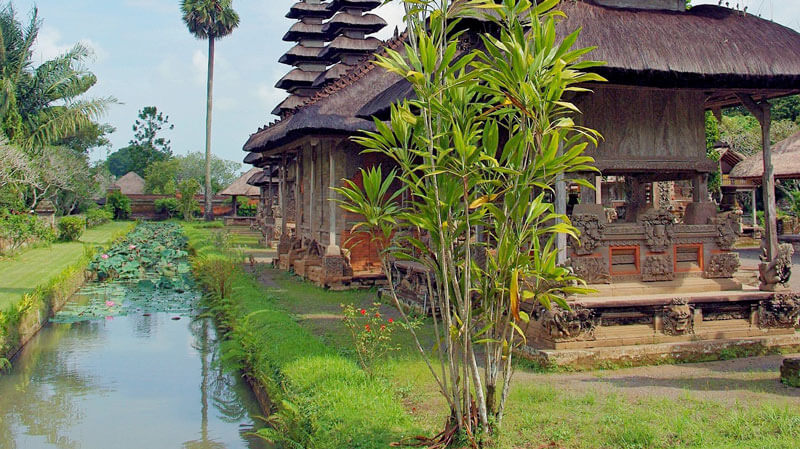
Taman Ayun Temple in Mengwi, Badung Regency, is a stunning representation of ancient Balinese architecture infused with Chinese influences. Enveloped by serene ponds and manicured gardens, it offers a tranquil environment reflecting Bali’s historical splendor.
Accessing the Bali Top Temples: Navigating to Taman Ayun
- Location: Mengwi. Open the Taman Ayun Temple location on Google Maps before planning the route.
- Access: Easily accessible from Denpasar and Seminyak (~18 km).
Prime Visiting Time
- Recommended Time: Mornings, around 8:00 AM.
- Reason: Ideal natural lighting for appreciating and capturing the temple’s grandeur.
Cultural Activities and Experiences
- Architectural Appreciation: The temple’s grand Balinese architecture is enhanced by Chinese elements.
- Ritualistic Observations: Opportunities to witness religious ceremonies and explore the temple’s expanse.
Key Information
- Opening Hours: 8:00 AM – 6:15 PM.
- Amenities: Include parking and small stalls.
Check the Taman Ayun Temple entrance fee guide before visiting, as ticket prices may change.
Photographic and Aesthetic Highlights
Ideal for Photography: The temple’s ponds and gardens offer a splendid backdrop.
Complementary Tourist Spots
- Itinerary Ideas: Pair a visit to Taman Ayun Temple with North Bali’s attractions, such as Lovina Beach, Gitgit Waterfall, Botanical Gardens, and Ulun Danu Beratan Temple.
- Alternative Route: Serves as an excellent stop en route to Tanah Lot or Seminyak.
Taman Ayun Temple in Mengwi, integral to Bali’s premier religious sites, delves into the island’s cultural and aesthetic essence. The temple’s striking architecture and soothing environment are essential for travelers exploring Bali’s historical and cultural magnificence.
6. Besakih Temple: The Pinnacle of Spiritual Grandeur in Bali
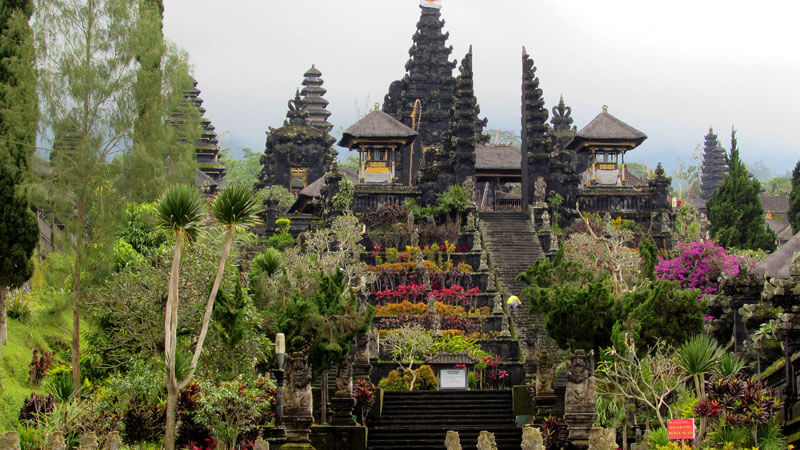
Besakih Temple, revered as the ‘Mother Temple’, reigns as Bali’s largest and most hallowed temple complex, perched on the verdant slopes of Mount Agung. It is a central pillar in the island’s spiritual and historical tapestry, showcasing exquisite Hindu architecture amidst stunning natural vistas.
Location and Accessibility
- Location: Rendang, Karangasem. Open the Besakih Temple location on Google Maps before planning the drive.
- Access: Approximately a 2-hour drive from Denpasar through scenic Balinese landscapes.
Ideal Time for Visit
- Suggested Time: Early morning, around 8:30 AM, to avoid crowds and savor tranquillity.
- Festival Visits: During Hindu festivals like Galungan or Kuningan, the temple comes alive with rich cultural festivities.
Bali Top Temples Sacred Encounters: Experiencing the Rituals of Besakih
- Besakih Temple: A haven for witnessing religious rituals and exploring its vast array of temples and altars.
- Insightful Journey: Delve into the depths of Balinese Hindu traditions and heritage.
Vital Information
- Operating hours are from 8:00 AM until 6:00 PM.
- Amenities: Encompasses eateries, ample parking, and souvenir stalls.
Photographic Opportunities and Views
Scenic Backdrops: Ideal for sunrise or sunset photography, providing a majestic setting.
Expanding the Itinerary
- Besakih’s Exploration: Complement with East Bali attractions such as Tirta Gangga or Amed Beach for a diverse Bali adventure.
Besakih Temple, a beacon of Bali’s spiritual and cultural majesty, offers a tapestry of natural beauty, architectural elegance, and cultural depth, a quintessential Balinese pilgrimage.
7. Lempuyang Temple: Bali’s Stairway to Heaven
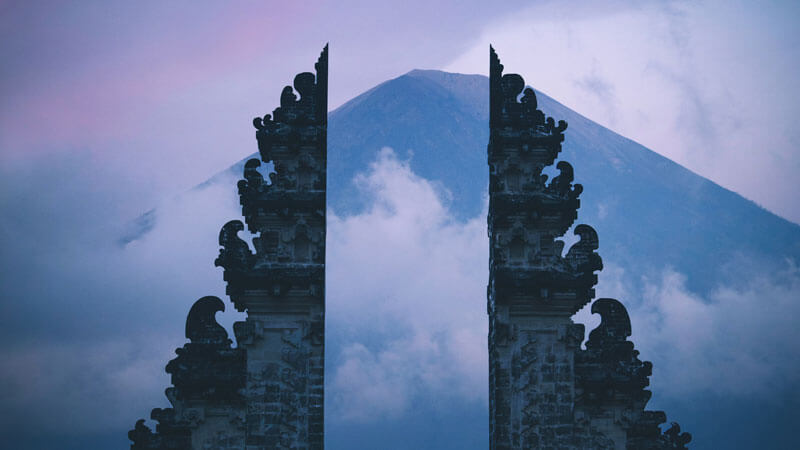
Lempuyang Temple, revered as the ‘Gateway to Heaven’, is amongst the oldest in Bali. Nestled on Mount Lempuyang’s slopes in Karangasem, it offers awe-inspiring views of Mount Agung, harmoniously blending spiritual significance with Bali’s natural splendor.
Location and Accessibility
- Situated on Jl. Pura Telaga Mas Lempuyang, Karangasem.
- Approximately a 2-hour drive from Denpasar, the journey showcases Bali’s picturesque rural landscape.
Optimal Time for Visitation
- Mornings are preferable, offering a serene ambiance and clear vistas.
- Ideal for capturing the photogenic ‘Gateway to Heaven’.
Experiences and Activities
- Engage in spiritual ceremonies or trek through the temple complex.
- A blend of sacred tradition and natural exploration.
If you plan a full-day East Bali route, use our East Bali route guide to combine Lempuyang with nearby stops.
Practical Information
- Operating hours are from 6:00 AM until 7:00 PM.
- For entrance notes, photo queue expectations, and route planning, read our Lempuyang Temple visitor guide.
- Amenities include trim dining options and souvenir stalls.
Photographic Appeal
Renowned for stunning shots, especially against the dramatic backdrop of Mount Agung.
Beyond Lempuyang
After Lempuyang, Taman Ujung Water Palace, or Tenganan Village can fit into an East Bali route if you start early.
Lempuyang Temple, a fusion of Bali’s ethereal beauty and spiritual essence, offers an unparalleled experience, ranking high on Bali’s must-visit sacred sites.
8. Goa Lawah Temple: A Marvel of Nature and Spirituality in Bali
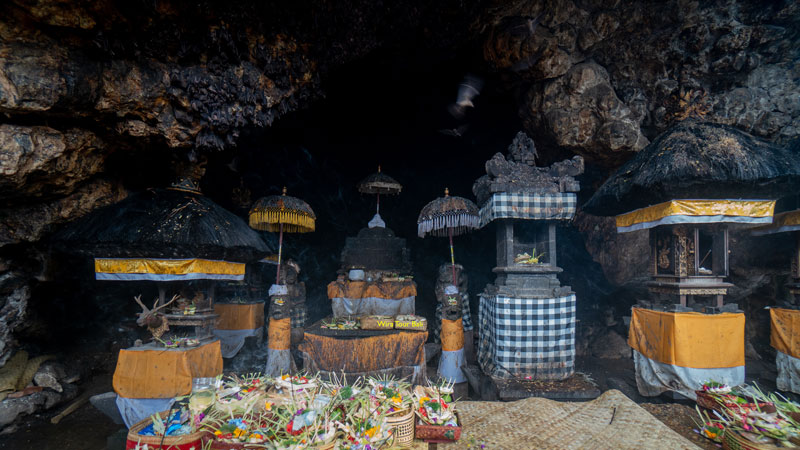
Goa Lawah Temple, renowned for its bat-filled cave, symbolizes natural wonder and spirituality in Bali. Located on the coast of Klungkung Regency, this temple has been integral to Balinese religious tradition since the 11th century.
Location and Accessibility
- Location: Klungkung. Open the Goa Lawah Temple location on Google Maps before planning your East Bali route.
- Easy access from various regions in Bali makes it an ideal destination.
Best Time to Visit
- Morning is recommended for a quieter and more relaxed atmosphere.
- Visiting during religious ceremonies adds to a rich cultural experience.
Tourist Activities and Cultural Experiences
- Exploration of the temple architecture and the bat cave, and observation of religious ceremonies.
- The nearby beach offers an opportunity to enjoy Bali’s natural beauty.
Practical Information
- Operating Hours: From 8:00 AM to 6:00 PM.
- Facilities: Food stalls and souvenir shops are available.
For ticket notes, bat cave etiquette, and route planning, read our Goa Lawah Temple visitor guide.
Photography and Scenery
- It is an ideal location for photography, especially with the backdrop of the bat cave and beach.
- Stunning sunset views.
Integration with Other Tourist Attractions
Goa Lawah can be combined with Kertha Gosa Pavilion in Klungkung or Candidasa Beach if you follow an East Bali route.
Goa Lawah Temple, with its natural and spiritual appeal, forms an inseparable part of the 10 most popular sacred places in Bali, offering a travel experience that blends natural wonders and spiritual depth.
9. Ulun Danu Batur Temple Kintamani: A Harmonious Blend of Spirituality and Scenic Beauty
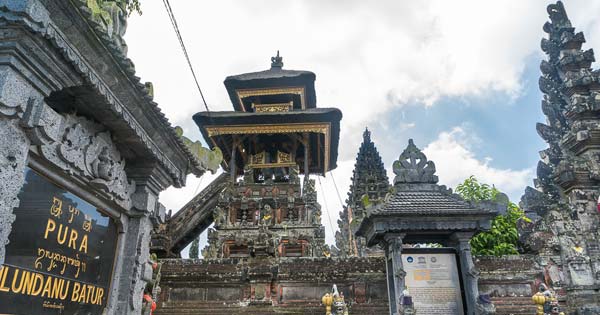
Ulun Danu Batur Temple in Kintamani, second in importance only to Besakih, is celebrated for its panoramic views of Lake Batur and Mount Batur. This temple, devoted to Dewi Danu, plays a pivotal role in Bali’s irrigation system.
Location and Accessibility
- Location: Kintamani. Open the Ulun Danu Batur Temple location on Google Maps before planning the drive.
- For route timing, weather, and nearby stops, read our Kintamani travel guide.
Ideal Visiting Hours
- Early mornings, often cloaked in mystical mist, provide a surreal setting.
- Cooler temperatures make for comfortable exploration.
Cultural and Scenic Experiences
- Observe Balinese religious ceremonies amidst breathtaking natural surroundings.
- Exceptional opportunities for photography with Lake Batur and Mount Batur as backdrops.
Visitor Information
- Entry fee details are available upon inquiry.
- Nearby amenities include eateries, coffee shops, and accommodation options.
Visual Highlights
Captivating sunrise views over Lake Batur and Mount Batur.
Expanding Your Journey
- Combine with visits to Toya Devasya hot springs, Mount Batur trekking, or the Penglipuran village.
Ulun Danu Batur Temple in Kintamani represents a perfect synergy of Bali’s spiritual traditions and breathtaking landscapes, solidifying its status as a critical destination among Bali’s spiritual highlights.
10. Gunung Kawi Sebatu Temple: A Haven of Peace and Serenity
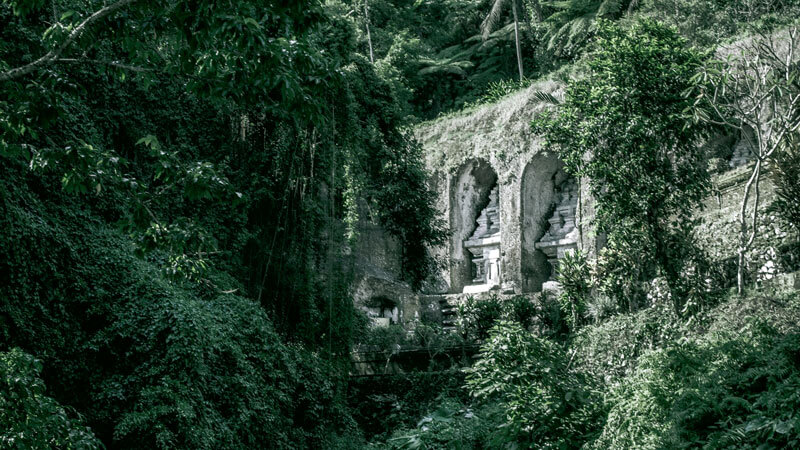
Nestled in a verdant valley in North Bali, Gunung Kawi Sebatu Temple is a hidden gem, offering a sanctuary of peace. Known for its tranquil atmosphere and soothing natural scenery, it showcases ancient Balinese architecture dedicated to Lord Vishnu.
Location and Ease of Access
- Location: Tegallalang. Open the Gunung Kawi Sebatu Temple location on Google Maps before planning your Ubud route.
- The journey through Bali’s countryside is picturesque. If you plan to combine Gunung Kawi Sebatu with central Ubud, use our Ubud travel guide for route planning.
Optimal Time for Visitation
- Mornings are when the environment is at its freshest and most serene.
- It is ideal for experiencing the temple’s tranquillity.
Bali Top Temples Serenity: Unveiling the Peaceful Gunung Kawi Sebatu
- Explore sacred ponds and statues and partake in spiritual ceremonies.
- Offers a meditative experience amidst natural beauty.
Useful Details
- Operating hours are from 8:00 AM until 6:00 PM.
- Small dining outlets and basic facilities are located nearby.
Photographic Spots
Perfect for capturing the essence of the temple with its holy ponds and lush vegetation.
Integrating with Other Sites
Consider visiting Taman Saraswati Temple or Goa Gajah Temple. If you want a cultural stop after the temple route, consider the Neka Art Museum in Ubud.
Gunung Kawi Sebatu Temple stands as a bastion of serenity, an essential stop in Bali’s top 10 temple itinerary, offering a haven for those seeking spiritual solace and scenic splendor.
Navigating Bali Top Temples: A Comprehensive Transport Guide
Navigating these spiritual sanctuaries, particularly in southern Bali, necessitates thoughtful transport planning. Below is an essential guide to facilitate your journey to Bali’s ten most esteemed temples:
Motorbikes: The Adventurer’s Choice

- Best Suited For Solo explorers or couples who value flexibility and are comfortable with motorbiking.
- Benefits: Offers the liberty to travel at your own pace, simplifying navigation and parking in busy areas.
- Key Considerations: Ensure legal compliance with a valid driving license, helmet usage, and adherence to local traffic regulations.
Car Rentals: Comfort and Convenience for Groups
- Ideal For: Families or groups preferring comfort.
- Perks: Provides privacy, enhanced comfort, and adaptability, with options for self-drive or chauffeured services.
- Advice: When self-driving, familiarity with Bali’s driving conditions is essential for a safe journey.
Organized Tour Packages: Hassle-Free Exploration
- Recommended For: Travelers seeking a structured and worry-free experience.
- Advantages: Encompasses transport, knowledgeable guides, entrance fees, and meals, offering an immersive local insight.
- Selection Tips: Opt for packages that align with your interests, and always check reviews for quality assurance.
Online Transport Services (Gojek or Grab): For Shorter Journeys
- Appropriate For: Convenient short-distance travel or as an alternative to self-driving.
- Upsides: User-friendly, transparent pricing, and a comfortable travel experience.
- Limitations: Availability may vary for longer distances to certain temples.
Proximity to Accommodations in South Bali
- Temple Accessibility: Many temples, including the renowned ones, are easily accessible from South Bali’s accommodation hubs.
- Extended Travel: Some sites, like Besakih or Lempuyang, might require longer travel times.
Important Considerations:
- Public Transport: Generally not recommended due to limited routes and schedules.
- Route Planning: Essential when visiting multiple temples in a single day.
- Safety First: Prioritize safety, particularly when navigating Bali’s bustling and narrow roads.
- Choosing Right: Selecting the appropriate mode of transport is vital to a smooth and enjoyable Bali temple experience.
Visiting Bali Top Temples: Etiquette and Tips
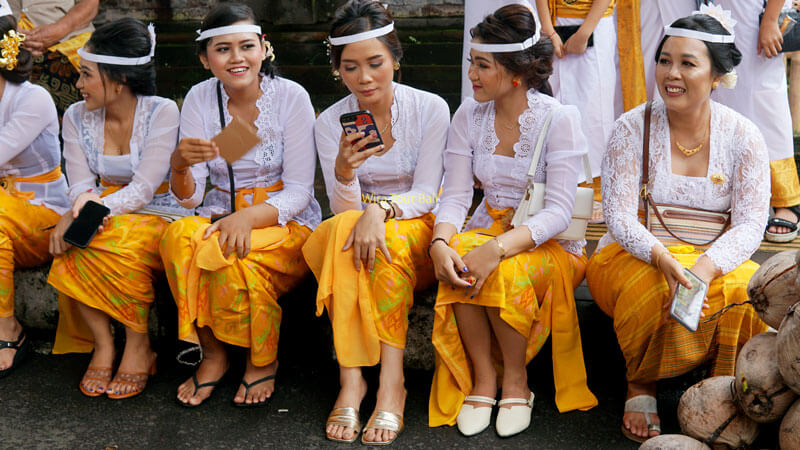
When exploring Bali’s sacred sites, observing appropriate etiquette and being well-prepared enhances the experience:
- Appropriate Attire: Dress modestly, covering shoulders and knees. Many temples mandate the use of sarongs and sashes as a sign of respect. For clothing rules, sarong use, and temple behavior, read our Bali temple dress code and etiquette guide.
- Conduct and Courtesy: Maintain a respectful and serene demeanor within temple precincts. Avoid loud behavior and respect the sanctity of these spiritual sites.
- Photography Guidelines: While photography is generally permitted, always check for any restrictions, particularly during religious events, and be mindful of sacred areas.
Health and Safety Precautions:
- Pack light clothing, sun protection, and comfortable footwear. See our guide on what to wear in Bali’s tropical climate.
- Some temples may involve climbing or walking through uneven terrains; ensure physical readiness for these activities.
Cultural Sensitivity and Responsible Tourism:
- Gain insight into each temple’s history and significance for a deeper appreciation of Balinese culture.
- As responsible tourists, adhering to temple rules and customs is paramount.
Conclusion: Discovering Bali’s Spiritual Heart – The Top 10 Must-Visit Temples
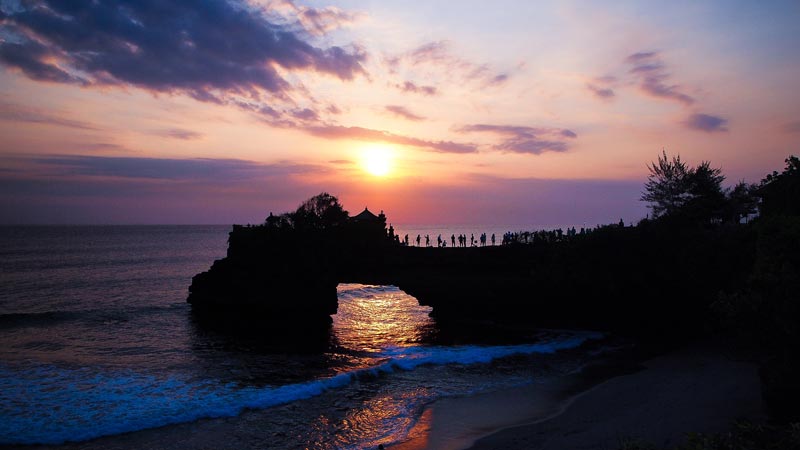
Our comprehensive guide to Bali’s ten most iconic temples is designed to simplify your travel planning to these revered sites. From the mesmerizing sunsets at Tanah Lot to the serene ambiance of Tirta Empul, this guide aims to be an indispensable companion for local and international travelers.
Engage with Our Community:
- We encourage you to share your temple visit experiences using the hashtag #BestBaliTemples #WiraTourBali on social media. Your stories and photos enrich our content and inspire fellow travelers.
- Your feedback and suggestions below this article are highly valued. They contribute significantly to the travel plans of others and help foster a community appreciative of Bali’s rich cultural and spiritual tapestry.
 North Bali Visitor Guide: An Essential Companion for the Discerning Traveller
